 中文版
中文版 English

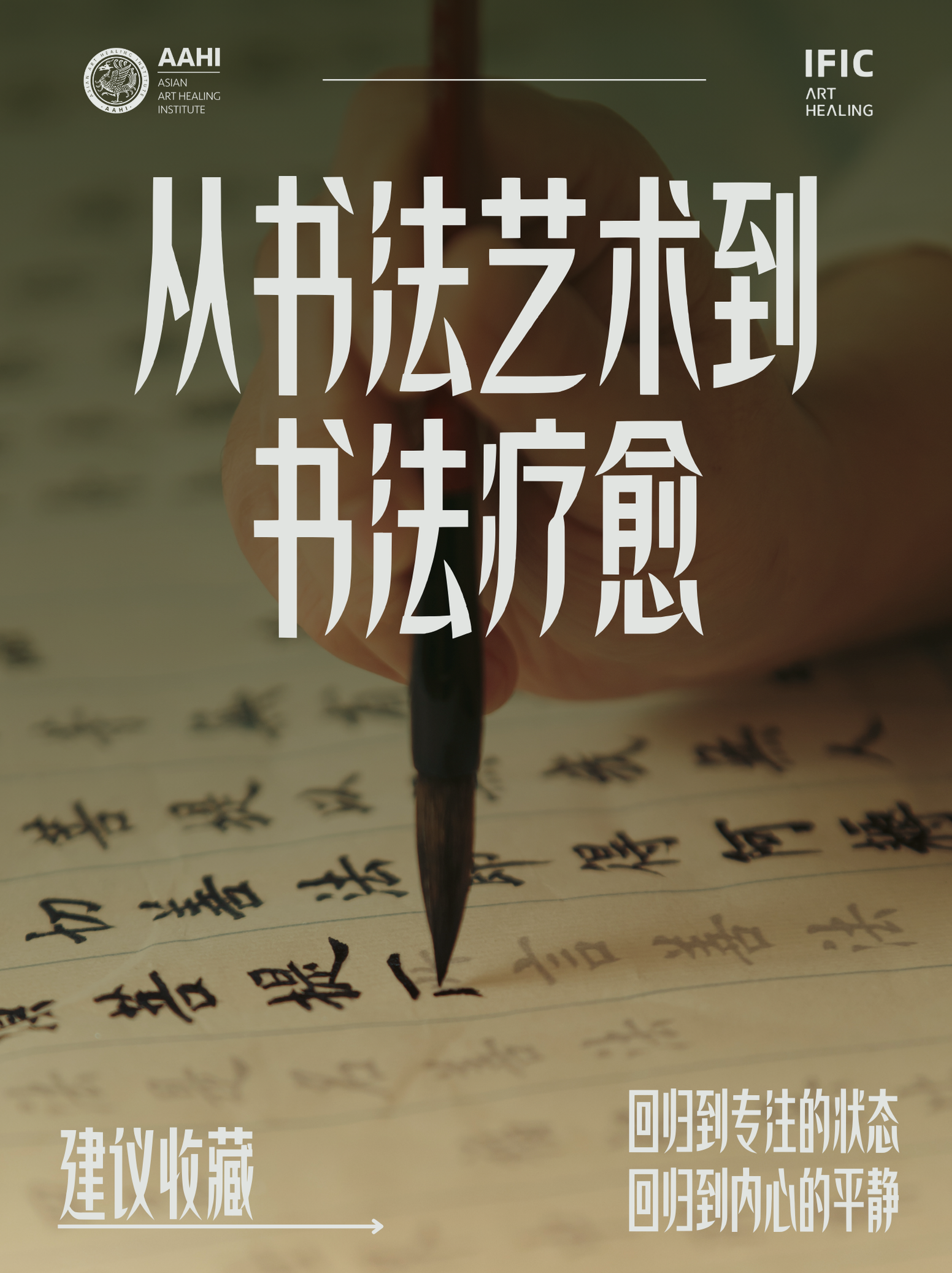
Xuan paper spreads out, ink fragrance lingers. As the brush dances on the paper, time seems to slow down and the world gradually quiets down - this seemingly simple writing process is becoming a way for more and more people to seek inner peace. Calligraphy, an art that carries the millennium memory of Chinese civilization, is taking root again in the hearts of modern people with a new identity of "healing".
The artistic height of Chinese calligraphy has long surpassed the simple beauty of character shapes. In the Preface to the Orchid Pavilion, Wang Xizhi waved his brush after drinking, and between the lines flowed the carefree and unrestrained spirit of the famous scholars of the Wei and Jin dynasties; Yan Zhenqing's "Sacrifice to Nephew Manuscript" is filled with the pain of his family and country in every stroke, and is known as the "second line of calligraphy in the world" not only for his artistic achievements, but also for the emotional power that penetrates the back of the paper. The ancient saying goes, "The calligrapher paints the heart." The essence of calligraphy is not just a display of technique, but also a natural expression of the writer's inner world.
However, in the digital age, keyboards have replaced pen and ink, screens have swallowed up paper, and the spiritual world of modern people has fallen into an unprecedented vortex of anxiety. According to the "Report on the Development of National Mental Health in China", over a quarter of Chinese adults suffer from varying degrees of psychological distress. The fast-paced and high-pressure lifestyle has led more and more people to seek ways to place their inner selves. It is in this context that calligraphy has re entered the public eye with its unique calming function.
Li Wei, who works for an Internet company in Beijing, is one of the beneficiaries of calligraphy therapy. Staring at the computer screen for more than ten hours every day, my mind keeps spinning when I get home at night. After starting practicing calligraphy, I found that I could truly focus on the present moment, and that feeling was like giving my brain a deep massage. There are many urban white-collar workers like Li Wei who relieve stress through calligraphy.
Where does the healing power of calligraphy come from?
From a psychological perspective, the state of complete concentration during calligraphy practice is similar to the experience of "flow" - when a person is completely immersed in an activity, they temporarily forget about the passage of time and self-awareness. This state is considered by psychologist Mihaly Csikszentmihalyi to be an important way to achieve happiness. The fine motor control required for calligraphy can also activate regions of the brain related to emotional regulation.
Neuroscience research also provides evidence for this. A study published in Frontiers in Psychology suggests that calligraphy practice can significantly reduce cortisol levels (a stress hormone) and enhance activity in the prefrontal cortex, an area closely associated with emotional management and decision-making abilities. Shi Duo, Executive Director of the Asian Art Therapy Research Institute, pointed out that "calligraphy, as a deeply focused art practice, can effectively bridge the cognitive and emotional regions of the brain. This integration process itself is a powerful self-regulation and repair mechanism." Researchers have even found that people who practice calligraphy for a long time have positive changes in the structure of the brain regions responsible for attention and self-regulation.
The forms of calligraphy therapy are becoming increasingly diverse. In addition to traditional calligraphy practice, forms such as calligraphy meditation and calligraphy group workshops that combine mindfulness are constantly emerging. At a community center in Shanghai, the weekly "Pen and Ink Meditation" event attracts participants of different age groups. Teacher Chen, the person in charge, shared, "We don't emphasize how well we write, but encourage everyone to feel the beginning, beginning, and ending of each stroke, and find rhythm between breathing and stroke." Dean Shi Duo added when talking about this phenomenon, "When writing transforms from an expressive and judgmental skill to an experiential and procedural physical and mental practice, its healing dimension is truly opened. This is the creative transformation of ancient wisdom in the modern context
This healing effect is not unique to the East. In recent years, the Western art therapy field has also begun to pay attention to the healing value of writing. A study by the American Art Therapy Association shows that even simple repetitive writing movements can help people release emotional stress and enhance self-awareness. There is an interesting resonance between Eastern and Western cultures in the concept of 'writing healing'.
However, calligraphy therapy is not a panacea. Experts remind that it is not advisable to simply regard it as a "substitute for psychotherapy". For serious psychological problems, it is still necessary to seek professional help. The significance of calligraphy lies in prevention and assistance - it is a way of life, a daily ritual that allows the soul to rest.
The ancient saying 'Picking up a pen is cultivating the mind' has taken on a new meaning today. When we write on rice paper stroke by stroke, we are not only inheriting a thousand year old art, but also engaging in a deep dialogue with ourselves. In this fragmented era, the slow pace of calligraphy has become a resistance, a return - to a focused state, to inner peace.
The ink gradually dries, and the soul gradually fills. The healing journey of calligraphy has just begun, moving from the realm of art to everyday life. Perhaps, when the next stroke falls, we can find the long lost tranquility and self. In a turbulent world, a pen, a pool of ink, and a piece of paper are enough to build a spiritual haven for everyone.